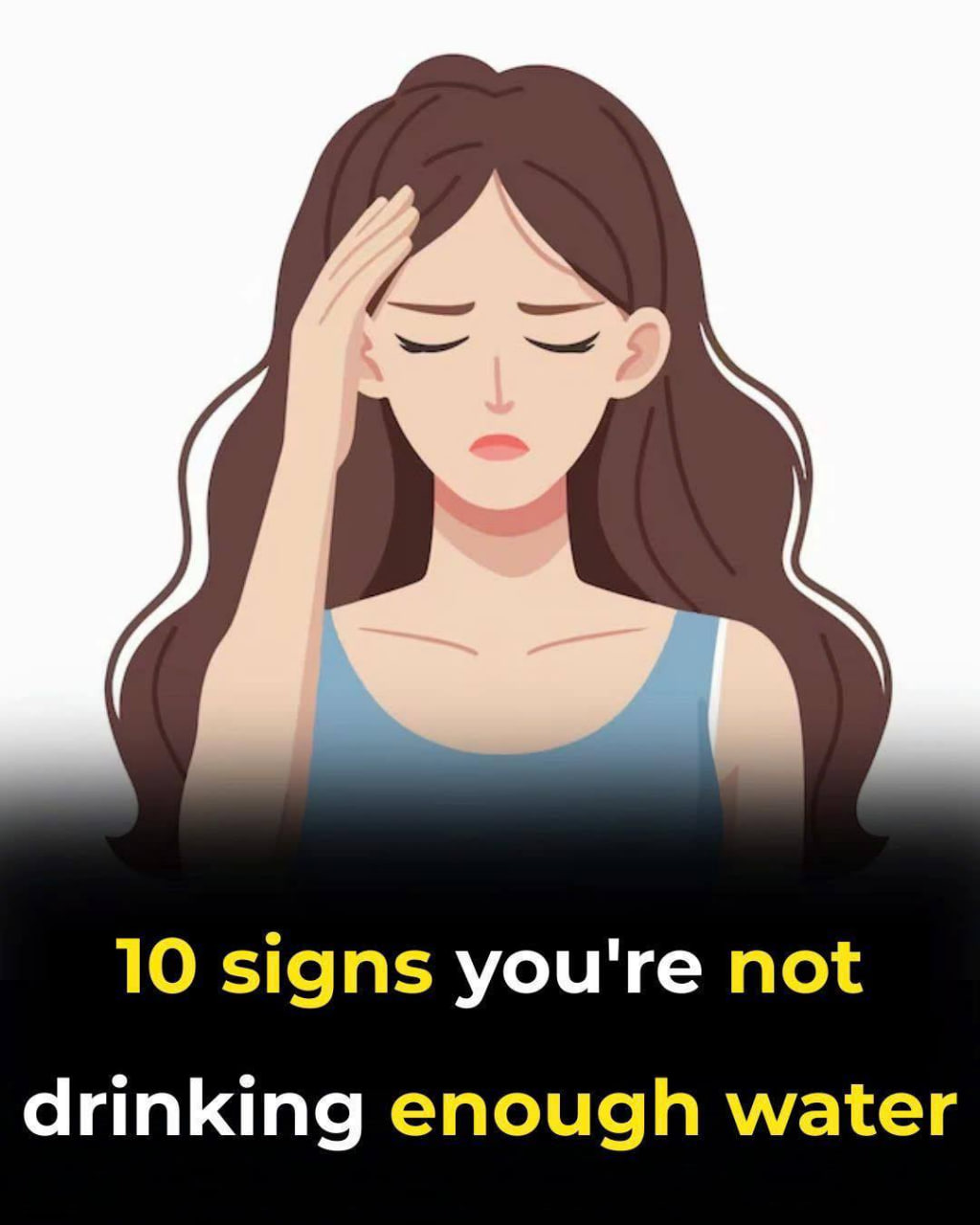
Water is essential for nearly every function in the body. It helps regulate temperature, transport nutrients, remove waste, lubricate joints, and support healthy brain function. Even mild dehydration can affect how you feel and perform throughout the day. Recognizing the early warning signs can help you restore your fluid balance before dehydration becomes more serious.
1. Persistent Thirst
Feeling thirsty is your body's most obvious signal that it needs more fluids. However, thirst often appears after mild dehydration has already begun, so it's best to drink water regularly rather than waiting until you're very thirsty.
2. Dark Yellow Urine
Urine color can provide useful clues about hydration. Pale yellow urine generally indicates adequate hydration, while dark yellow or amber urine may suggest that your body is conserving water. Certain medications, vitamins, and foods can also affect urine color.
3. Dry Mouth and Chapped Lips
A dry mouth, sticky saliva, or cracked lips can occur when your body lacks sufficient fluids. Drinking water usually helps relieve these symptoms if dehydration is the cause.
4. Fatigue or Low Energy
When you're dehydrated, your heart has to work harder to circulate blood, and your muscles may receive less oxygen and nutrients. This can leave you feeling tired, sluggish, or less able to concentrate.
5. Headaches
Mild dehydration is a common trigger for headaches in some people. Researchers believe fluid loss may temporarily reduce blood volume and affect the tissues surrounding the brain, contributing to headache pain.
6. Dizziness or Lightheadedness
Insufficient fluid intake can lower blood pressure and reduce blood flow to the brain, leading to dizziness, especially when standing up quickly.
7. Dry Skin
Skin may feel dry or less elastic when you're dehydrated. However, dry skin can also result from weather conditions, aging, or skin disorders, so it is not a reliable sign on its own.
8. Muscle Cramps
Dehydration, particularly when accompanied by the loss of electrolytes through heavy sweating, may contribute to muscle cramps during exercise or hot weather.
9. Constipation
Water helps keep stool soft and supports healthy digestion. Not drinking enough fluids may contribute to constipation, although diet, physical activity, and certain medical conditions also play important roles.
10. Reduced Urination
If you're urinating less frequently than usual or producing only small amounts of urine, your body may be conserving water because you're not drinking enough fluids.
How Much Water Do You Need?
There is no single amount that fits everyone. Your fluid needs depend on factors such as:
- Age
- Body size
- Physical activity
- Climate
- Pregnancy or breastfeeding
- Overall health
Many healthy adults can maintain good hydration by drinking when thirsty and increasing fluid intake during exercise, hot weather, or illness.
When to Seek Medical Care
Severe dehydration requires prompt medical attention. Seek medical care if you experience:
- Confusion or difficulty staying awake
- Fainting
- Rapid heartbeat
- Very little or no urination
- Persistent vomiting or diarrhea
- Signs of dehydration that do not improve after drinking fluids
The Bottom Line
Dehydration can affect your energy, mood, physical performance, and overall health. Paying attention to common warning signs—such as thirst, dark urine, fatigue, headaches, and dizziness—can help you stay properly hydrated. Drinking enough fluids throughout the day, especially during exercise or hot weather, is one of the simplest ways to support your body's normal functions and overall well-being.