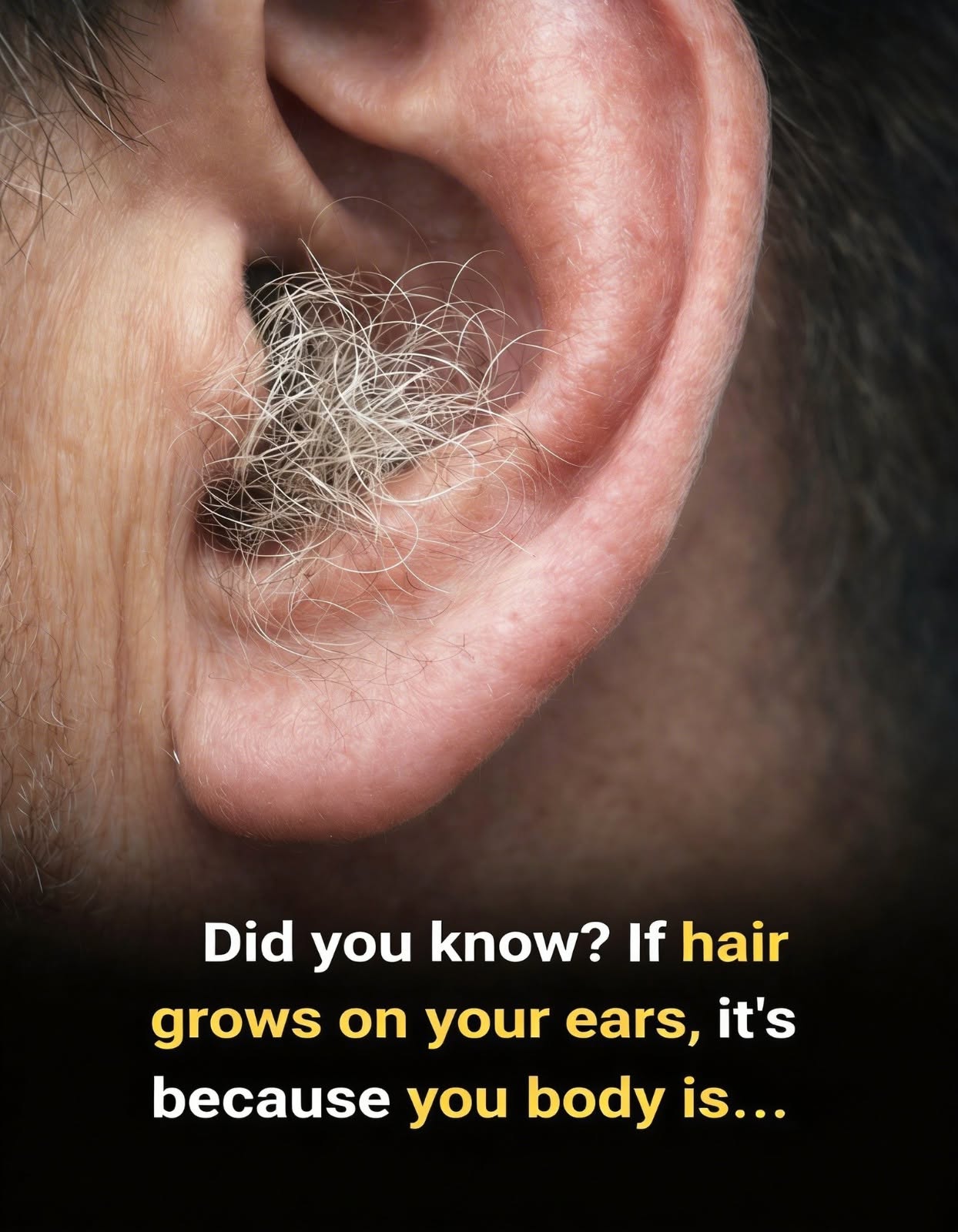
Ear hair is a natural part of aging, particularly in men, yet it often raises questions about what it might reveal about overall health. While internet rumors sometimes claim that ear hair is a sign of heart disease or hormonal disorders, the scientific evidence tells a more nuanced story.
Here's what doctors and researchers know about this often-overlooked body feature.
Why Does Ear Hair Increase With Age?
As people age, changes in hormone levels and hair follicle activity can cause thicker, longer hairs to develop on the outer ear and around the ear canal. This is especially common in men due to the effects of androgens, the male sex hormones that influence hair growth.
Genetics also play a major role. Some individuals naturally develop more visible ear hair than others, regardless of their overall health.
Is Ear Hair Linked to Heart Disease?
The idea that ear hair predicts heart disease has existed for decades. Some early observational studies reported an association between excessive ear hair and an increased risk of coronary artery disease.
However, more recent research suggests that ear hair itself is not a reliable indicator of heart disease. Scientists believe that if a relationship exists, it is likely explained by shared factors such as aging, genetics, and hormonal influences rather than ear hair causing or directly signaling cardiovascular disease.
Doctors do not use ear hair as a screening tool for heart conditions.
Does Ear Hair Indicate Hormonal Changes?
Ear hair growth is influenced by androgens, but having noticeable ear hair does not necessarily mean hormone levels are abnormal. In most cases, it reflects a normal response of hair follicles to aging and inherited genetic traits.
If excessive hair growth occurs suddenly or is accompanied by other symptoms, a healthcare provider may evaluate for hormonal disorders, but ear hair alone is rarely a cause for concern.
Can Ear Hair Affect Hearing?
Hair located inside the ear canal serves a protective purpose by helping trap dust, debris, and small particles before they reach the eardrum.
However, very dense ear hair may contribute to the buildup of earwax in some individuals. Excess earwax can occasionally cause symptoms such as:
- Temporary hearing loss
- A feeling of fullness in the ear
- Ringing in the ears (tinnitus)
- Ear discomfort
If these symptoms occur, they should be evaluated by a healthcare professional rather than treated with cotton swabs or sharp objects.
Should Ear Hair Be Removed?
Removing visible ear hair is generally a cosmetic choice. Common methods include careful trimming or professional grooming. Pulling hairs out repeatedly may irritate the skin or increase the risk of infection, so trimming is usually the safest option.
Hair deep inside the ear canal should not be removed without medical guidance because it helps protect the ear from foreign particles.