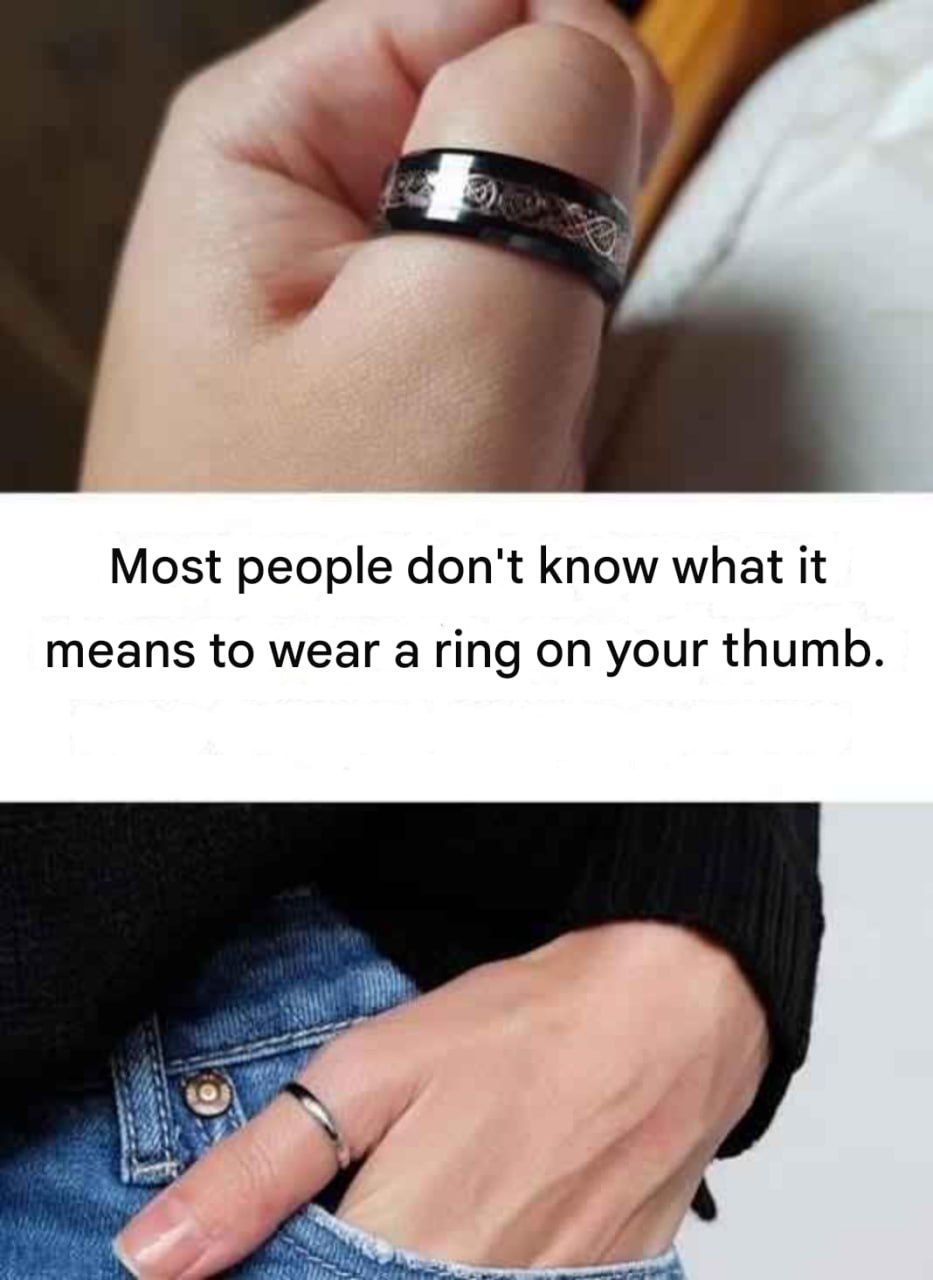
Historical Significance of Thumb Rings
Thumb rings date back thousands of years, with evidence found in ancient Roman, Greek, and Asian cultures.
- Ancient archery cultures: In regions such as Central and East Asia, thumb rings were used by archers to protect the thumb while drawing powerful bows. Over time, these protective tools evolved into decorative and status symbols.
- Ancient Rome and Greece: Rings worn on the thumb were often associated with wealth, authority, and military rank.
- Asian dynasties: In imperial China, jade or metal thumb rings were worn by nobles and warriors as symbols of prestige and discipline.
In many societies, wearing a thumb ring was not just aesthetic—it was a clear indicator of social status or specialized skill.
Symbolic Meaning of Thumb Rings Today
Although the practical use has mostly disappeared, the symbolic meanings remain strong in modern culture.
1. Independence and Self-Control
The thumb is the most physically dominant finger, so wearing a ring on it is often associated with strong will, independence, and personal authority.
2. Power and Confidence
Psychologically, the thumb represents control and decision-making. A thumb ring can symbolize confidence and a bold personality.
3. Nonconformity
Because thumb rings are less common than rings on other fingers, they are often associated with people who reject traditional norms or prefer to stand out.
4. Wealth and Luxury
In fashion contexts, thumb rings—especially large or metallic ones—can signal luxury, success, and individuality.
Psychological Interpretation
Some modern interpretations link thumb rings to personality traits:
- People who wear thumb rings are often seen as assertive and self-assured
- They may prefer independence over conformity
- They often enjoy expressing identity through unique accessories
However, these interpretations are not scientific—they are cultural and symbolic observations.